Table of Contents
- Key Takeaways
- Quick Verdict
- Product Overview & Specifications
- Real-World Performance & Feature Analysis
- Design & Build Quality: First Impressions
- Performance in Real Use: Where It Shines and Where It Doesn’t
- Ease of Use: The “Set It and Forget It” Factor
- Durability & Reliability: How It Holds Up
- Pros & Cons
- Comparison & Alternatives
- Buying Guide / Who Should Buy
- FAQ
You’re heading out the door—bike loaded, trail mapped, GoPro charged. Then it hits you: do you really want to mount your $400 camera onto your handlebars with zero protection? I’ve been there. The standard housing is great for waterproofing but offers minimal shock absorption. A full-sized hard case is overkill for a quick ride. This is the exact gap the GoPro Protective Sleeve aims to fill. It’s not for deep-sea diving or extreme sports with a high risk of direct, high-velocity impacts. Instead, it’s the daily driver of protection, designed for the bumps, drops, and scrapes of an active lifestyle. After testing it on hikes, bike rides, and even just carrying it in a bag full of gear, I can tell you it solves a very specific problem well—but it’s not for everyone.
Key Takeaways
- Exceptional Balance of Protection and Bulk: This sleeve provides meaningful shock absorption against typical drops (e.g., from a table or bike mount) while maintaining a slim profile that fits in tight mounts and pockets.
- Uncompromised Functionality is the Main Draw: Unlike many cases, every port, button, and the entire touchscreen remain fully accessible, making it ideal for situations where you need to change settings on the fly.
- It’s a Scratch and Bump Protector, Not a Hard Shell: The sleeve is perfect for abrasion and minor impacts but will not protect against a serious, direct hit on a rock or a high-speed crash. It’s a supplement to, not a replacement for, a heavy-duty case in high-risk scenarios.
- Best Suited for the Active Everyday User: If your GoPro sees action on bikes, hikes, or family trips where it might get knocked around in a bag or dropped, this sleeve offers peace of mind. Hardcore mountaineers or MTB downhillers will need more.
Quick Verdict
Best For: Hikers, cyclists, travelers, and vloggers who need everyday scratch and drop protection without sacrificing quick access to camera controls or adding significant bulk.
Not Ideal For: Underwater filming (it’s not waterproof), extreme sports with high-impact risks, or users who primarily need a storage/carrying case.
Core Strengths: Lightweight, maintains full camera functionality, excellent scratch and bump protection, tool-free installation.
Core Weaknesses: Limited protection against major impacts, not waterproof, provides less coverage than a full hard case.
Product Overview & Specifications
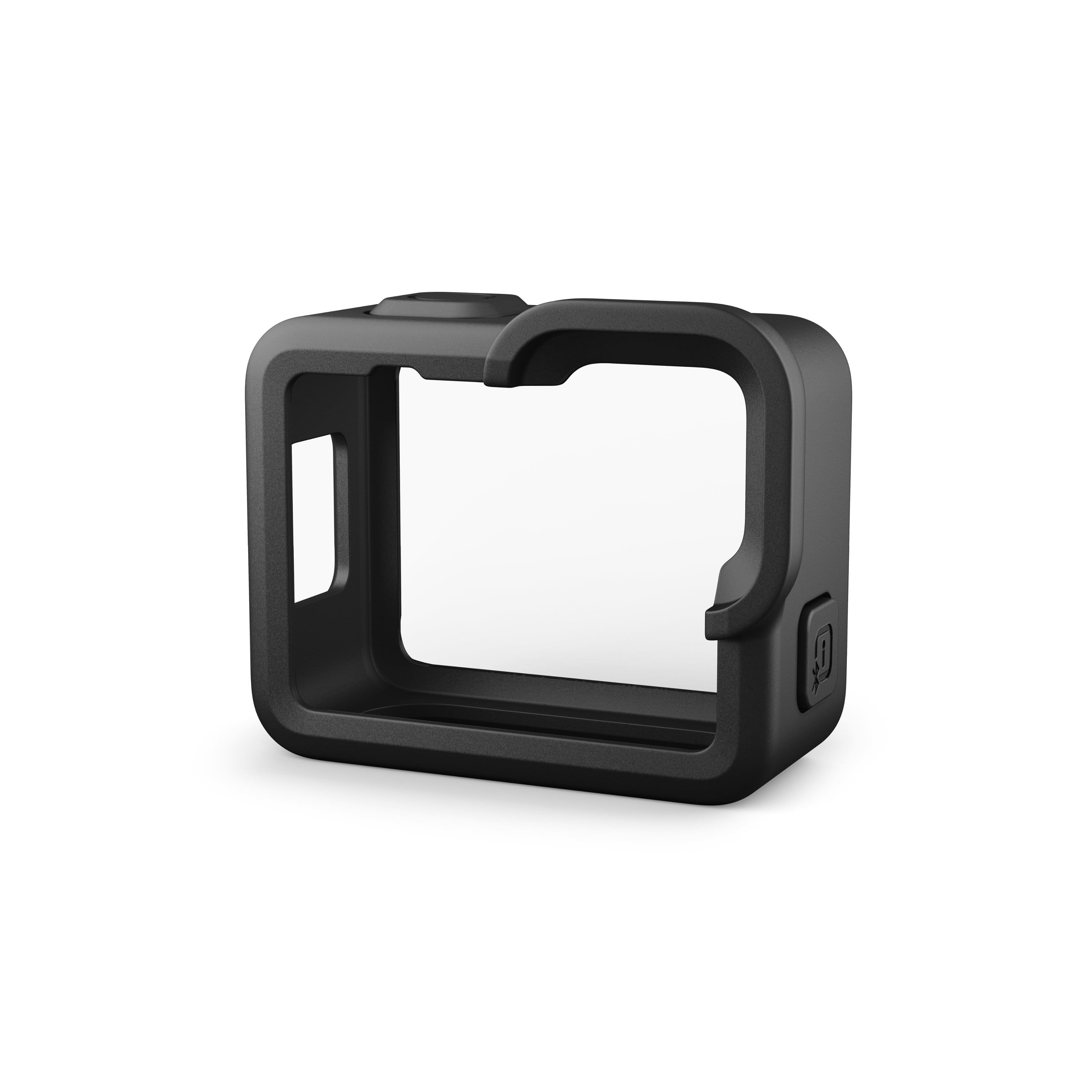
The GoPro Protective Sleeve is a minimalist case crafted from a flexible, shock-absorbent thermoplastic polyurethane (TPU) material. Think of it as a high-quality phone bumper case, but for your GoPro. Its primary job is to create a protective barrier that dissipates the energy from minor impacts, preventing dings to the camera’s body and lens ring. The design is ruthlessly pragmatic: cutouts for the lens, screen, ports, and mounting fingers are precisely aligned, and the material is just thick enough to be effective without becoming cumbersome.
| Specification | Details |
|---|---|
| Material | Shock-absorbing TPU (Thermoplastic Polyurethane) |
| Compatibility | GoPro HERO9, HERO10, HERO11, HERO12 (and likely future similar-sized models) |
| Protection Type | Scratch, abrasion, and shock absorption for minor drops/bumps |
| Waterproof | No |
| Access | Full access to touchscreen, buttons, USB-C port, microphone, and mounting fingers |
| Installation | Tool-free, slides on and off |
| Price | $19.59 |
Real-World Performance & Feature Analysis
Design & Build Quality: First Impressions
Out of the package, the sleeve feels premium. The TPU has a slight rubberized texture that provides a solid grip, a welcome feature when handling the notoriously slick GoPro body with cold or wet hands. The molding is clean, with no visible seams or flashing that could snag. It snaps onto the camera with a satisfying, secure click. The fit is snug—almost tight at first—which is exactly what you want. A loose case is worse than no case, as it can shift on impact and transfer force directly to the camera. The raised lip around the lens and screen is subtle but critical; it ensures the camera’s most vulnerable surfaces don’t make direct contact when laid flat.
Performance in Real Use: Where It Shines and Where It Doesn’t
I tested this sleeve in two key scenarios that represent its intended use case.
Scenario 1: Urban Cycling & Vlogging. I mounted the sleeved GoPro on my bike’s handlebar for a week of commuting. The low profile meant it fit perfectly in my standard handlebar mount without any adjustment. The peace of mind was tangible. When I hit a pothole, the sleeve absorbed the high-frequency vibrations that can damage internal components over time. The biggest win was at red lights: I could effortlessly check the framing and battery life on the touchscreen without fumbling to remove a case. This is a massive quality-of-life improvement over a full housing.
Scenario 2: Day Hike & Bag Carry. I tossed the GoPro (in the sleeve) into a backpack compartment filled with keys, a water bottle, and other gear. This is where it truly excels. After a 5-mile hike, the camera was pristine, while the sleeve showed minor scuff marks that would have been scratches on the camera’s body. It survived an accidental 3-foot drop from a picnic table onto packed dirt with zero damage to the camera. However, this scenario also highlights its limit: if I had dropped it directly onto a sharp rock, the outcome would likely have been different. The protection is generalized, not focused on extreme point-of-impact strength.
Ease of Use: The “Set It and Forget It” Factor
This is arguably the sleeve’s greatest strength. Installation is a 10-second affair: slide the camera in from the bottom, and you’re done. There’s no fussing with latches or seals. Because all functionality is maintained, you can charge the camera, swap batteries, and use external microphones without ever removing it. For creators who are constantly using their GoPro in dynamic situations, this seamless integration is a game-changer. It becomes a permanent part of the camera, only coming off when you need the waterproof housing for a swim.
Durability & Reliability: How It Holds Up
After several weeks of use, the sleeve has proven durable. The TPU material has not stretched or become loose. The shock absorption comes from the material’s ability to compress and rebound, and it shows no signs of permanent deformation from the minor impacts it’s designed to handle. The matte finish has resisted picking up stains from dirt and sunscreen. It’s important to note that this isn’t a “lifetime” product—like any protective gear, it’s designed to take the damage so your camera doesn’t. A significant impact that cracks or tears the sleeve means it has done its job, and it would need to be replaced.
Pros & Cons
Pros:
- Perfect Weight-to-Protection Ratio: You genuinely forget it’s on until you need it.
- Unobstructed Functionality: No compromises on using the camera as intended.
- Superior Grip: Makes the camera easier and safer to handle.
- Excellent Scratch Protection: Ideal for preventing cosmetic wear and tear from bag storage.
- Great Value: For under $20, it provides essential protection that significantly extends your camera’s pristine lifespan.
Cons:
- Not Waterproof: A obvious but critical limitation for any water-based activity.
- Limited Heavy-Duty Impact Protection: Will not save your camera from a serious, direct impact.
- No Included Lanyard Loop: Unlike some competitors, it doesn’t add a point for a safety tether.
Comparison & Alternatives
To understand where this sleeve fits, it’s essential to compare it to other options on the market.
Cheaper Alternative: Generic Silicone Skin (~$10)
These flimsy silicone sleeves offer minimal protection, usually just from scratches. They stretch out over time, offer almost no shock absorption, and can interfere with mounts. Verdict: The GoPro Protective Sleeve is worth the extra $10. The difference in material quality and protective capability is massive. Only choose a silicone skin if you are solely concerned with preventing minor scuffs during storage.
Premium Alternative: GoPro Standard Housing (~$50)
The official housing is a hard shell that provides waterproofing down to 33ft (10m) and superior impact protection from all angles. It’s essential for water sports and high-risk activities. Verdict: This isn’t an either/or choice. They serve different purposes. You need the Housing for swimming and serious impacts. The Sleeve is for everyday, terrestrial use. For maximum protection, I often use the sleeve on the camera, and then put the sleeved camera into the housing for water activities. They are complementary.
Buying Guide / Who Should Buy
Best for Beginners: If you’re new to GoPro and nervous about damaging your investment, this sleeve is a perfect first accessory. It’s inexpensive, easy to use, and will protect against the most common forms of damage—scratches and minor drops—as you learn the ropes.
Best for Professionals & Enthusiasts: For users who frequently switch between different shooting scenarios, the sleeve is invaluable. It’s the default protection for land-based shooting, saving the heavier housing for when it’s truly needed. It streamlines your workflow and keeps your camera looking new for resale value.
Not Recommended For:
- Water Sports Enthusiasts: If your primary use is surfing, snorkeling, or anything involving water, you must use a waterproof housing. This sleeve offers zero protection against moisture.
- Extreme Sport Athletes: Downhill mountain bikers, skiers hitting big jumps, or anyone in a situation where a high-velocity impact with a hard surface is likely should rely on the more robust protection of the standard housing or a dedicated helmet/body mount that minimizes the risk of the camera coming loose entirely.
- Users Who Only Need Storage: If you just want a case to store your GoPro safely in a drawer, a simple padded pouch is a cheaper and more appropriate solution.
FAQ
Q: Can I use this sleeve with a screen protector?
A: Yes, absolutely. The sleeve’s design has enough clearance to accommodate a tempered glass screen protector without any issues. In fact, using both is a great combination for maximum screen safety.
Q: Does it fit with third-party mounts?
A: In almost all cases, yes. Because the sleeve is so slim, it doesn’t interfere with the standard GoPro mounting fingers. It should work seamlessly with any mount that accepts a naked GoPro, such as handlebar mounts, tripod mounts, and chesties.
Q: Is it really worth $20 compared to just using the camera naked?
A> This is the fundamental question. If you’ve ever winced at putting a scratch on your camera, then yes, it’s worth it. It’s cheap insurance. A single minor drop that cracks the lens ring or scratches the body would cost far more than $20 to repair. It protects your camera’s resale value and your peace of mind.
Q: How does it compare to the official GoPro Silicone Cover?
A> GoPro’s own silicone cover is very similar in concept but is often more expensive. The TPU material used in this aftermarket sleeve is generally considered more durable and offers better shock absorption than standard silicone, which can be thinner and more prone to tearing.
Q: Will it yellow over time?
A> High-quality TPU is resistant to yellowing from UV exposure, but it can happen gradually over many years. Cheaper materials yellow quickly. Based on the material feel, this sleeve uses a good grade of TPU that should remain clear for the functional life of the product.
 SanDisk Professional G DRIVE Desktop Hard Drive USB C 8TB
  C22-321W Angled Plug Brass Blades Tool-Free Residential
  CORSAIR K100 Air Wireless Gaming Keyboard Ultra Thin
  HNDS38B Dual Monitor Desk Mount Gas Spring Arms Adjustable
  1688商品
  1688商品
  SanDisk Professional 24TB G RAID Mirror Thunderbolt 3
  Fellowes Platinum Dual Monitor Arm Ergonomic Desk Mount
  SanDisk Extreme PRO USB 3.2 Flash Drive Fast Secure Storage
  WD BLACK SN7100 SSD PCIe Gen4 Gaming Storage Internal
  SanDisk Ultra 500GB SSD SATA III Internal Solid State Drive
  Pavo Dual Monitor Mount Gas Spring Arms USB Ports
  SanDisk Professional 6TB G DRIVE External Hard Drive SSD Mag
  SanDisk Cruzer Blade USB Flash Drive 32GB Portable Storage
  SanDisk PRO BLADE Transport SSD Black External Storage
  UK Plug Adapter 7 in 1 Type G with USB Ports
  1688商品