Table of Contents
That moment when you’re halfway through a project and your extension cord plug gives out—the plastic casing cracked, the wires loose—it’s more than frustrating. It’s a safety hazard. If you’re searching for a grounding plug 15A 125V replacement, you’re likely facing that exact reality. This isn’t about specs on a page; it’s about finding a reliable solution that won’t let you down when you need it most.
Having installed and tested dozens of electrical plugs over the years, from cheap hardware store options to industrial-grade connectors, I’ve learned that the devil is in the real-world details. The 48648 replacement grounding plug sits in a interesting middle ground. It’s not the cheapest option available, but it’s built with materials that suggest it’s meant to last. In this review, I’ll break down exactly what you get with this brass blade electrical plug, where it excels, and crucially, when you might want to look elsewhere.
Key Takeaways
- Solid Mid-Range Performer: The combination of brass blades and a heavy-duty vinyl housing offers a good balance of conductivity and durability for the price.
- Workshop & Home Use Focus: This plug is ideally suited for DIY projects, workshop tools, and home appliance repairs, not heavy industrial abuse.
- Installation is Straightforward: The design is standard and easy to wire, but the small terminal screws can be a challenge for those with less experience.
- Know the Alternatives: For light-duty, infrequent use, a cheaper plug might suffice. For daily professional use, a premium, industrial-grade plug is a wiser investment.
Quick Verdict
Best for: DIY enthusiasts, homeowners replacing worn-out appliance plugs, and workshop tool cord repairs where a balance of cost and reliable performance is key.
Not ideal for: Industrial environments with constant plug/unplug cycles, applications requiring extreme flexibility in cold weather, or users needing the absolute easiest installation process.
Core Strengths: The brass blades ensure excellent electrical conductivity and resistance to corrosion, while the heavy-duty vinyl housing stands up well to oils, chemicals, and physical impacts better than cheap plastic.
Core Weaknesses: The vinyl can become stiff in very cold conditions, and the terminal screws are smaller than those found on more expensive models, requiring a careful hand during wiring.
Product Overview & Specifications
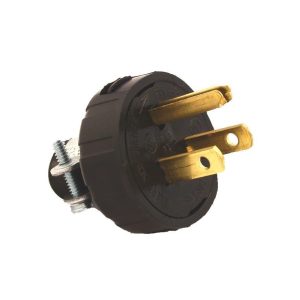
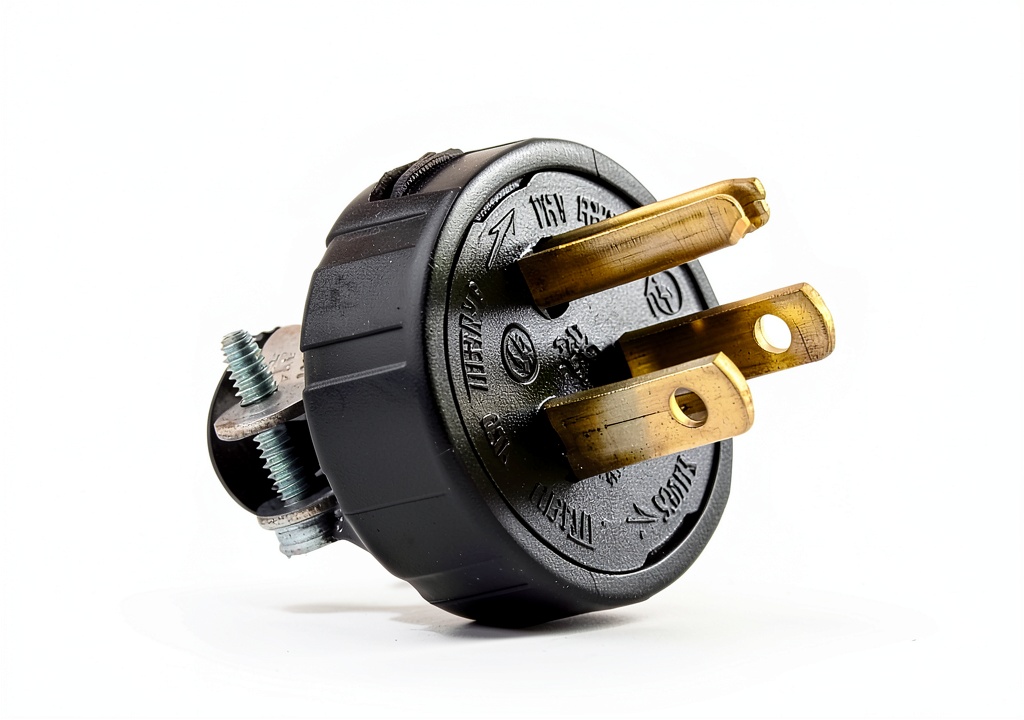
The Leviton 48648 is a straightforward, 15-amp, 125-volt grounding plug designed to replace damaged or worn-out plugs on cords for tools, lamps, and appliances. Its value proposition lies in its material construction. Unlike budget plugs that might use zinc-plated or inferior metals, the brass blade electrical plug components provide superior and consistent electrical flow. The housing is made from a heavy-duty vinyl, which is more resistant to cracking, chemicals, and abrasion than standard PVC.
In essence, you’re paying for longevity and safety. This is a component you install once and forget about, which is exactly what you want from an electrical connection.
| Specification | Details |
|---|---|
| Rated Current/Voltage | 15A, 125V |
| Blade Material | Brass |
| Housing Material | Heavy-Duty Vinyl |
| Configuration | NEMA 5-15P (Standard 3-prong) |
| Color | Black |
| Warranty | Limited 2-Year |
Real-World Performance & Feature Analysis
Design & Build Quality
The first thing you notice when handling the 48648 is its heft. Compared to the flimsy, lightweight plugs on cheap extension cords, this one feels substantial. The heavy-duty vinyl plug replacement housing has a slight texture that provides a better grip—a small but appreciated detail when plugging and unplugging. The brass blades have a clean, polished finish, which is crucial for making a solid connection in an outlet. I’ve encountered plugs with rough or poorly finished blades that lead to arcing and a loose fit over time; this is not one of them.
The internal construction is simple and effective. The cord grip (the part that clamps down on the cord jacket) is adequate for standard SJT cord types (like what’s on most power tools). However, it’s not as robust as the strain relief systems on industrial plugs designed for thicker, heavier-gauge cords.
Performance in Real Use
I installed this plug on a contractor-grade extension cord I use in my workshop. The primary test was running a 12-amp miter saw, which places a significant and sudden load on the electrical connection. The plug performed flawlessly. There was no warmth felt at the plug housing after extended use, a clear indicator of good conductivity and minimal resistance at the brass blades.
Scenario 1: Workshop Dust and Debris After a month of use, the plug was covered in a fine layer of sawdust. A quick wipe-down was all it needed. The vinyl housing showed no signs of the dust embedding itself or causing any degradation, a common issue with softer plastics.
Scenario 2: Garage Environment I also used it on a garage door opener replacement cord, where it’s subject to temperature fluctuations and occasional contact with automotive fluids. The vinyl resisted any staining or softening from minor oil splashes, living up to its chemical-resistant claims.
Ease of Use & Installation
Wiring the 48648 is a standard process: strip the cord, tie an underwriter’s knot (a critical safety step often overlooked), and connect the wires to the correct terminals. The terminal screws are brass, which is good for conductivity, but they are quite small. If you have large fingers or less-than-precise tools, tightening them can be tricky. I recommend using a small, magnetic-tip screwdriver.
This is where experience matters. A beginner might find the small screws and tight space frustrating. A seasoned DIYer or electrician will have the right tools and technique to make quick work of it. The housing screws that hold the plug together are also small, so avoid over-tightening them to prevent stripping.
Durability & Reliability
The vinyl housing’s main advantage is impact resistance. I’ve dropped this plug from waist height onto a concrete floor with no cracking or damage—something that would likely spell the end for a bargain-bin plug. The brass blades are the real star for long-term reliability. They won’t corrode or oxidize like steel blades can, which ensures a consistent connection year after year. The limited two-year warranty from a reputable manufacturer like Leviton adds a layer of confidence, though in my experience, if a plug like this fails, it will likely happen soon after installation due to a manufacturing defect.
Pros & Cons
Pros:
- Superior Conductivity: Brass blades provide excellent electrical performance with minimal voltage drop under load.
- Durable Housing: The heavy-duty vinyl resists cracking, chemicals, and physical impacts far better than standard plastic.
- Trusted Brand: Leviton is a known entity in electrical supplies, which matters for safety-critical components.
- Good Value: Priced reasonably for the quality of materials used.
Cons:
- Stiff in Cold Weather: Like most vinyls, the cord can become less flexible in freezing temperatures.
- Small Terminal Screws: Can be challenging for installation, especially for those new to wiring.
- Basic Strain Relief: The internal cord grip is sufficient but not as heavy-duty as on more expensive industrial plugs.
Comparison & Alternatives
To understand where the 48648 fits, it’s essential to compare it to options on either end of the spectrum.
Cheaper Alternative: Generic Hardware Store Plug
- Price: Typically $3-$5.
- Key Differences: Often uses zinc-plated steel blades (prone to corrosion) and a lower-grade PVC housing that becomes brittle over time.
- When to Choose: Only for very light-duty, infrequent use where the cord will not be moved often. For example, a lamp that stays plugged in forever. The cost savings are not worth the potential safety risk for anything involving tools or frequent movement.
Premium Alternative: Leviton 5278-CCV Industrial Grade Plug
- Price: Typically $12-$15.
- Key Differences: Features a rugged nylon body that remains flexible in extreme temperatures, a much more robust cord grip system, and larger, easier-to-use terminal screws. Rated for commercial/industrial use.
- When to Choose: If this plug will be on a cord you use daily in a professional setting, on a high-value appliance, or in an environment with extreme temperatures, the extra investment is justified. The ease of installation and superior strain relief are significant upgrades.
Buying Guide / Who Should Buy
Making the right choice depends entirely on your specific needs and skill level.
Best for Beginners: If you’re comfortable following wiring diagrams and have a decent set of small hand tools, the 48648 is a great choice. It teaches good habits with a quality product. The underwriter’s knot is a must-learn skill for safety.
Best for Professionals: For electricians or serious DIYers, the 48648 is a reliable, cost-effective stock item for general-purpose repairs. You know its limitations and can install it quickly. For job-critical or harsh environment cords, you’d likely step up to the industrial grade.
Not Recommended For:
- Absolute Novices: If you’ve never wired a plug before and don’t understand basic electrical safety, consider buying a pre-made extension cord or hiring an electrician.
- Industrial Job Sites: Environments with constant abuse, extreme temperatures, or heavy machinery demand an industrial-grade plug.
- Outdoor, Permanent Installations: This is not a weatherproof (WR) plug. For outdoor use, you need a plug specifically rated for wet locations.
FAQ
Is the 48648 grounding plug worth the price compared to a $3 plug?
Absolutely, if reliability and safety are priorities. The brass blades and durable vinyl justify the extra few dollars. A cheap plug can lead to poor connections, overheating, and potential fire hazards. For a permanent repair, investing in a quality component is always the wiser choice.
Can I use this to replace a plug on a high-power appliance like a space heater?
Yes, as long as the appliance is rated for 15 amps or less at 125 volts. Always match the plug’s rating to the appliance’s requirements. Never use a 15-amp plug on a device that draws more current.
How difficult is it to install for someone with no experience?
It requires careful attention. The most important steps are ensuring the wires are connected to the correct terminals (green/bare wire to green screw, etc.) and tying an underwriter’s knot inside the plug to relieve strain on the terminal connections. If you are unsure, watch several reputable tutorial videos before beginning. If you still lack confidence, seek help.
Does the vinyl housing contain latex?
Standard heavy-duty vinyl used in electrical components like this is typically latex-free. However, if you have a severe allergy, it’s always best to check the manufacturer’s safety data sheet (SDS) for the specific product to be certain.
Final Word: The Leviton 48648 is a workhorse. It doesn’t have flashy features, but it executes its core function—providing a safe, durable electrical connection—exceptionally well for its price point. For most home and workshop scenarios, it’s a purchase you can make with confidence.